
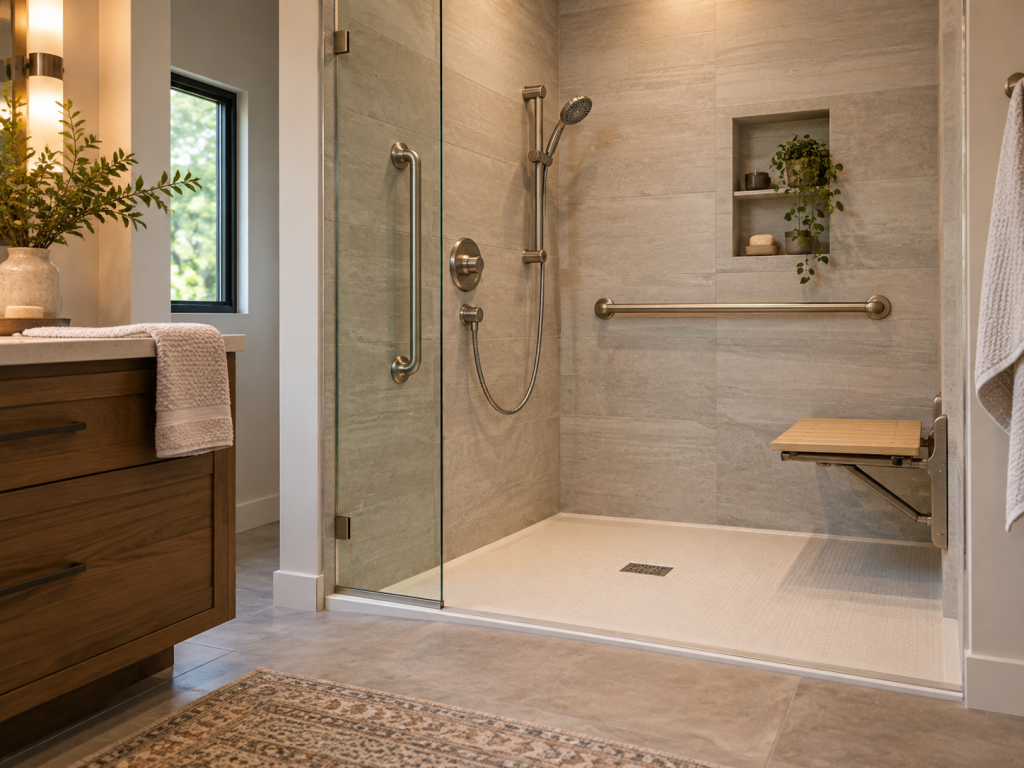
A “new bathroom in one day” sounds almost impossible when a normal remodel can involve demolition, plumbing, waterproofing, flooring, tile, fixtures, electrical work, and several different trades. A one-day bathroom remodel usually does not mean tearing the entire room down to the studs and rebuilding it before dinner. It normally means concentrating the work on a specific part of the bathroom—often the tub or shower area—while keeping the main layout and major plumbing locations in place.
That can still create a substantial change. An old tub can become a low-entry shower. Worn shower walls can be replaced with a new wall system. Fixtures, storage, grab bars, and an enclosure can often be updated as part of the same focused project. For homeowners deciding how much of the room actually needs work, comparing a focused bathtub or shower remodel with a larger renovation is a useful first step.
Can a Bathroom Really Be Remodeled in One Day?
Yes—but only certain bathroom projects are good candidates.
Many focused shower installations and tub-to-shower conversions can be completed in about one to two days when:
- The new design is planned in advance.
- Materials are ready before installation begins.
- The wet area stays in roughly the same location.
- Major plumbing does not need to move.
- No serious hidden damage appears during removal.
- The project does not require a custom tile installation with several curing stages.
This distinction matters because installation time and total project time are not the same thing.
A homeowner may choose the shower design weeks before installation. Measurements, ordering, product preparation, scheduling, and other planning can happen before anyone removes the old tub. The “one day” usually describes the disruption inside the home, not the entire process from first consultation to finished project.
What Can Realistically Fit Into 1–2 Days?
Here is a more useful way to look at the timeline.
| Project Type | What May Fit Into 1–2 Days | What Can Extend the Schedule |
| Shower replacement | Shower base, wall system, fixtures, shelves and enclosure preparation | Hidden water damage, plumbing repair or unusual dimensions |
| Tub-to-shower conversion | Tub removal, shower base, wall surrounds, fixtures and accessibility features | Drain relocation, damaged subfloor or structural repairs |
| Focused wet-area remodel | Tub/shower surfaces, controls, storage and selected accessories | Custom tile, major plumbing or electrical changes |
| Full bathroom remodel | Usually only part of the overall work | Vanity, flooring, electrical, layout and several connected trades |
This is why a homeowner should ask what exactly is being remodeled, not simply how many days the contractor advertises.
If the tub or shower is the main problem while the rest of the room still works, a partial project may make more sense than rebuilding everything. The guide to full bathroom remodels versus partial remodels explains that distinction in more detail.
A Tub-to-Shower Conversion Is One of the Best Fits for a Fast Remodel
One of the strongest candidates for a 1–2 day project is replacing an existing bathtub with a walk-in shower inside the same general wet-area footprint.
Imagine a standard alcove tub against three walls. The homeowner rarely takes baths and is tired of stepping over the tub wall every morning. The plumbing location already makes sense. Instead of redesigning the entire bathroom, the project can focus on removing the tub and rebuilding that bathing area as a shower.
A typical tub-to-shower conversion may include:
- Removal of the existing bathtub
- Preparation of the shower area
- A new shower base
- Moisture-resistant wall panels
- Updated shower controls
- A new showerhead or handheld option
- Shelves or other storage
- Grab bars where appropriate
- Shower door or curtain-ready opening
- Sealing, finishing and cleanup
Keeping the wet area in the same general location can reduce unnecessary plumbing work. It does not mean the old drain or valves should automatically be reused without inspection. Before moving forward, it is worth checking whether the existing plumbing can stay in place during a tub-to-shower conversion, since the answer depends on the condition and layout of the current system.
What Happens During the First Day?
A fast remodel works because decisions are made before the crew arrives.
Installation day is for installing—not for deciding what wall finish to use, measuring for the first time, or discovering that the selected shower does not fit. A well-planned first day may look something like this:
Morning: Protect, Remove and Inspect
The crew protects nearby floors and work areas before removing the old tub, shower, wall materials, or fixtures included in the project. Once the old materials are out, the exposed area can be checked.
Midday: Prepare the Wet Area
The shower base, plumbing connections, wall area, and other components are prepared for the new installation. If the underlying space is sound and the project follows the planned footprint, work can move quickly.
Afternoon: Install the New System
The new base, wall system, fixtures, accessories, shelving, and selected support features can begin to turn an empty wet area into a finished shower. Depending on the exact project, final enclosure work or another finishing task may continue into day two.
Pro Advice: A good 1–2 day remodel should be fast because the project was properly planned—not because inspection, preparation, or necessary repairs were skipped.
Why Shower Wall Material Changes the Timeline
The wall finish makes a major difference. Traditional tile can create a beautiful shower, but the process involves several stages. Preparation, waterproofing, tile setting, grout, and curing requirements make it harder to compress a fully custom tile shower into the same timeline as a prefabricated or solid-surface wall system.
Acrylic and solid-surface systems can often move more quickly because large wall sections cover more area with fewer joints. The site’s detailed comparison of acrylic, solid-surface and tile shower walls can help when speed is only one part of the decision.
What Usually Cannot Be Finished in One Day?
This is where realistic expectations matter most.
A Full Gut Remodel
A true full bathroom remodel may involve the shower, vanity, flooring, lighting, plumbing, mirrors, storage, wall surfaces, and other connected parts of the room. Even when the layout stays the same, several trades and installation stages may be involved. 1–2 day shower installation and a complete bathroom renovation are simply different projects.
Major Plumbing Relocation
Moving a toilet to another wall or relocating a shower drain can involve opening floors, changing drain lines, adjusting water supplies, and meeting current plumbing requirements. That is very different from replacing a fixture near existing plumbing.
Structural Repairs
Rotten framing, damaged subflooring, or substantial water damage should be corrected before new finishes cover the area. Discovering one of these problems can change the original schedule.
Full Custom Tile Work
Tile projects contain stages that cannot always be rushed. Substrate preparation, waterproofing, setting materials, grout, and cure times have to be respected.
Major Electrical Changes
Moving outlets, adding circuits, changing wiring, or making broader lighting changes can bring another trade and inspection requirements into the job. That does not mean these improvements should be avoided. It means they belong in a timeline that actually accommodates them.
What About a Small Bathroom?
Small square footage does not automatically make a project a one-day remodel. A 40-square-foot bathroom can take longer than a larger bathroom if the small room needs plumbing moved, flooring rebuilt, a custom shower installed, and electrical work changed.
At the same time, a small room with a functional layout can often be updated efficiently when the major fixture locations stay where they are. Before moving anything, homeowners should ask:
- Does the current shower or tub location work?
- Does the vanity block movement?
- Is the toilet comfortably positioned?
- Is storage the real problem?
- Would a better shower solve most of the frustration?
- Is the room outdated, or is the actual layout bad?
The guide to remodeling a small bathroom without changing the layout shows how much can change even when the main footprint stays familiar.
One-Day Installation Still Requires Planning Beforehand
The fastest remodels are often the ones with the most preparation.
Before installation day, the project may require:
- Measuring the existing wet area
- Checking the plumbing location
- Reviewing the condition of the bathroom
- Selecting wall materials
- Choosing the shower base or tub
- Selecting fixtures and finishes
- Deciding where shelves and grab bars belong
- Ordering materials
- Confirming the project scope
- Scheduling the installation
This is why making product decisions on demolition day is usually a bad strategy.
A homeowner who wants to keep the project efficient should make the important decisions early. The guide on planning a bathroom remodel without wasting money provides a useful framework for deciding which changes actually deserve part of the budget.
Is Your Bathroom a Good Candidate for a 1–2 Day Remodel?
Use this quick checklist.
A Focused Fast Remodel May Fit If:
☐ The tub or shower is the main problem.
☐ The general bathroom layout already works.
☐ The new shower can use the existing wet-area footprint.
☐ You do not need the toilet moved.
☐ Major electrical changes are unnecessary.
☐ You prefer a low-maintenance wall system rather than a complex tile installation.
☐ Your materials and fixtures can be selected before installation.
☐ The underlying area appears to be in reasonable condition.
Consider a Broader Remodel If:
☐ Several parts of the bathroom are failing.
☐ The floor plan causes daily problems.
☐ The vanity, flooring, shower, lighting, and storage all need attention.
☐ There is known water or subfloor damage.
☐ Plumbing needs substantial relocation.
☐ You want a highly customized tile design.
☐ Structural work is part of the plan.
If the answer falls somewhere in the middle, this comparison of a tub-or-shower-only remodel versus full bathroom work can help define the scope.
What Does 1–2 Day Remodeling Mean at Vision Sync Bath?
Vision Sync Bath focuses on walk-in showers, tub-to-shower conversions, bathtub and shower remodeling, and broader bathroom updates for Colorado homeowners. The company states that many walk-in shower projects can be completed in as little as 1–2 days, depending on the project scope and conditions in the home.
That distinction is important: the short timeline applies to suitable shower-focused projects, not every possible bathroom renovation. The goal should be to choose the right scope first and then determine the timeline—not force a larger project into a one-day promise.
FAQs About One-Day Bathroom Remodels
Can you really remodel a bathroom in one day?
A focused shower or tub project may be completed in about one day when the design is planned beforehand, plumbing remains in a workable location, materials are ready, and no significant hidden repairs appear. A complete bathroom renovation usually requires more time.
Can a tub be converted to a walk-in shower in one day?
Some tub-to-shower conversions can be completed within roughly one to two days, especially when the new shower uses the existing tub footprint and major plumbing relocation is unnecessary. Site conditions and project details can change the timeline.
Does a one-day bathroom remodel include the vanity and flooring?
Not necessarily. Most fast remodels concentrate on the bathtub or shower area. Vanity replacement, new flooring, painting, electrical work, or other room-wide changes should be confirmed separately in the project scope.
What can make a one-day shower remodel take longer?
Hidden water damage, weak subflooring, plumbing repairs, unusual measurements, structural problems, additional custom work, or changes made after the project begins can extend the schedule.
Is a one-day remodel better than a full bathroom remodel?
Neither is automatically better. A focused remodel works well when the tub or shower is the main problem and the rest of the room functions properly. A full remodel makes more sense when several connected areas need improvement.
The Best Fast Remodel Is the One With the Right Scope
A one-day bathroom remodel is realistic when the project has been designed around what can actually be completed efficiently.
For many homeowners, that means focusing on the wet area: replacing an outdated shower, converting a hard-to-enter tub, adding easier-access features, or installing new shower walls and fixtures without rebuilding the entire room.
If the bathroom needs new flooring, a different layout, plumbing relocation, custom tile, vanity work, electrical changes, and structural repairs, give those improvements the time they require.