
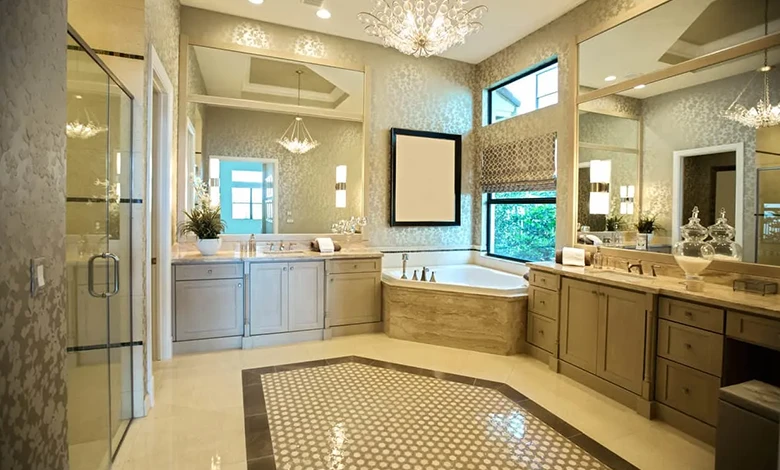
A full bathroom remodel can feel confusing at the start. Many homeowners know the room needs work, but they do not know what to replace first. The shower may feel old. The tub may be hard to enter. The vanity may lack storage. Also, poor lighting or weak ventilation can make the space harder to use each day. Because so many parts connect, replacing items in the wrong order can waste money and slow the project.
A smart plan starts with the features that affect safety, access, cleaning, and daily comfort. Vision Sync Bath helps homeowners review bathroom remodeling options with clear guidance, so the remodel can proceed in the right order. With the right plan, each update can support how the bathroom is used every day.
Start With What Makes The Bathroom Hard To Use
The first thing to replace should be the part that causes the biggest daily problem. This matters because a full bathroom remodel should solve real issues, not just change the room’s look. For example, a high tub wall can make bathing harder. Also, a tight shower can make movement less comfortable. Poor storage can leave counters messy, while weak lighting can make the room feel harder to use.
Before choosing products, homeowners should walk through their daily routine. Then, they should list what slows them down. This step helps shape the project around the need.
Common first-priority problems include:
- A tub or shower that feels hard to enter
- Poor storage around the sink or shower
- Lighting, flooring, or ventilation issues
Replace The Tub Or Shower Area Early
The tub or shower area should often be the priority in a full bathroom remodel. It is used every day, and it affects safety, cleaning, and comfort. If the bathtub is hard to step into, a tub-to-shower conversion may be a better fit. However, if the shower area is outdated but the layout still works, a tub or shower-only update may be part of the larger plan.
A walk-in shower can also make entry and daily use easier. In many bathroom plans, this area guides other choices. For example, shower size can affect storage, flooring, fixture placement, and open space. Because of that, homeowners should decide on the wet area before choosing final finishes. This order keeps the full bathroom remodel focused. It also helps avoid changing the same area twice.
Check The Layout Before Buying New Features
A new feature will not help much if the layout still feels awkward. Therefore, homeowners should review how people move through the room before replacing items. The toilet, vanity, tub, and shower all need to work together. If one part blocks movement, the room may still feel crowded after the remodel.
This is also a good time to review storage. A bathroom may need shelves, cabinets, or shower niches to keep daily items in better places. Also, fixture placement should support easy reach and simple use. When the layout is reviewed first, each replacement has a clearer purpose.
| Area To Review | Why It Matters |
| Shower or tub | Affects access and comfort |
| Vanity | Affects storage and counter use |
| Flooring | Affects daily movement |
| Lighting | Helps the room feel easier to use |
Replace Worn Shower Walls And Surfaces
Once the layout and wet area plan are clear, homeowners should review shower walls and other surfaces. Old wall surrounds can be hard to clean. Also, worn materials can make the bathroom feel older, even when other parts are updated. Because bathrooms handle water and moisture daily, surface choices should be easy to clean.
Durable wall panels can help reduce cleaning stress. Updated shower walls can also make the space feel cleaner and more useful. However, surface updates should align with the overall plan. For example, storage niches or shelves should be planned before wall work begins. This step matters because shower walls are not just visual. They affect cleaning, storage, and how the wet area operates every day.
Update Flooring With Safety In Mind
Flooring should be reviewed early because it affects movement across the whole room. A bathroom floor takes daily traffic and moisture. Also, it connects the vanity, toilet, shower, and tub areas. If the floor feels worn or hard to trust, it can weaken the whole remodel plan.
Bathroom flooring should support safe movement and simple care. It should also work with the shower or tub layout. For example, a walk-in shower update may change how the floor area connects with the rest of the room. So, homeowners should not treat flooring as an afterthought.
Key flooring questions include:
- Does the current floor feel safe underfoot?
- Does it match the new shower or tub plan?
- Will it support daily bathroom use?
Choose The Vanity And Storage Next
Once the wet area and flooring plan are clear, the vanity and storage should come next. Many bathrooms feel messy because they lack enough space for daily items. As a result, counters fill up fast, and the room feels smaller than it is.
A better vanity can help with storage, sink use, and counter space. Also, cabinets or shelves can help organize towels, soap, and personal items. Because storage affects daily comfort, it should be planned before final fixture choices are made. This does not mean every bathroom needs a large vanity. Instead, the vanity should match the room size and daily routine. If the bathroom is small, better storage placement may matter more than a bigger cabinet.
Review Lighting, Fixtures, And Ventilation
Lighting, fixtures, and ventilation can change how a finished bathroom feels. Even after a new shower or vanity, poor lighting can make the space feel less useful. Also, old fixtures may not support the way the room is used. Because of this, these details should be reviewed before the project is finished.
Ventilation also matters because bathrooms hold moisture. If the room is not well ventilated, cleaning can become more difficult. Updated fixtures, showerheads, trim, and lights can support comfort and daily use.
Helpful updates may include:
- Better lighting around key use areas
- Updated fixtures for the shower, tub, or sink
- Ventilation review for better room care
These items may seem small, but they affect the bathroom every day.
Make Final Choices After The Main Plan Is Set
Final choices should come after the main parts are planned. This includes colors, trim, mirrors, and accessories. These details matter, but they should not lead the project. If they come first, homeowners may spend money before solving the biggest problems.
A full bathroom remodel works best when each choice follows a clear order. First, review the hard-to-use areas. Then, plan the tub or shower, layout, flooring, storage, lighting, fixtures, and ventilation. After that, the final details can help finish the space. This order can reduce stress because each step builds on the last. It also helps homeowners choose updates that support daily life, not just short-term style.
Build The Remodel Around Daily Value
The best thing to replace first in a full bathroom remodel is the part that gets the most daily use. For many homes, that may be the tub or shower area. For others, it may be layout, flooring, storage, lighting, fixtures, or ventilation. However, the right answer should always come from how the bathroom works now. For help planning the right replacement order, call Vision Sync Bath today and start with the updates that matter most. The team can help review walk-in showers, tub-to-shower conversions, tub-only or shower-only updates, and full bathroom remodeling needs.